
Raleigh Moving Guide: What to Expect When Moving Here
If you're considering moving to Raleigh, North Carolina, you're likely drawn to its vibrant community, thriving economy, and exceptional quality of life.

Introduction: The Allure of Raleigh
If you're considering moving to Raleigh, North Carolina, you're likely drawn to its vibrant community, thriving economy, and exceptional quality of life. Nestled in the heart of the Raleigh-Durham area, this city perfectly balances small-town charm with big-city amenities, making it an ideal destination for individuals, families, and professionals alike. Whether you're a student aiming to be near North Carolina State University or the University of North Carolina at Chapel Hill, a professional seeking opportunities in a dynamic job market, or a family prioritizing excellent schools, Raleigh has something for everyone.
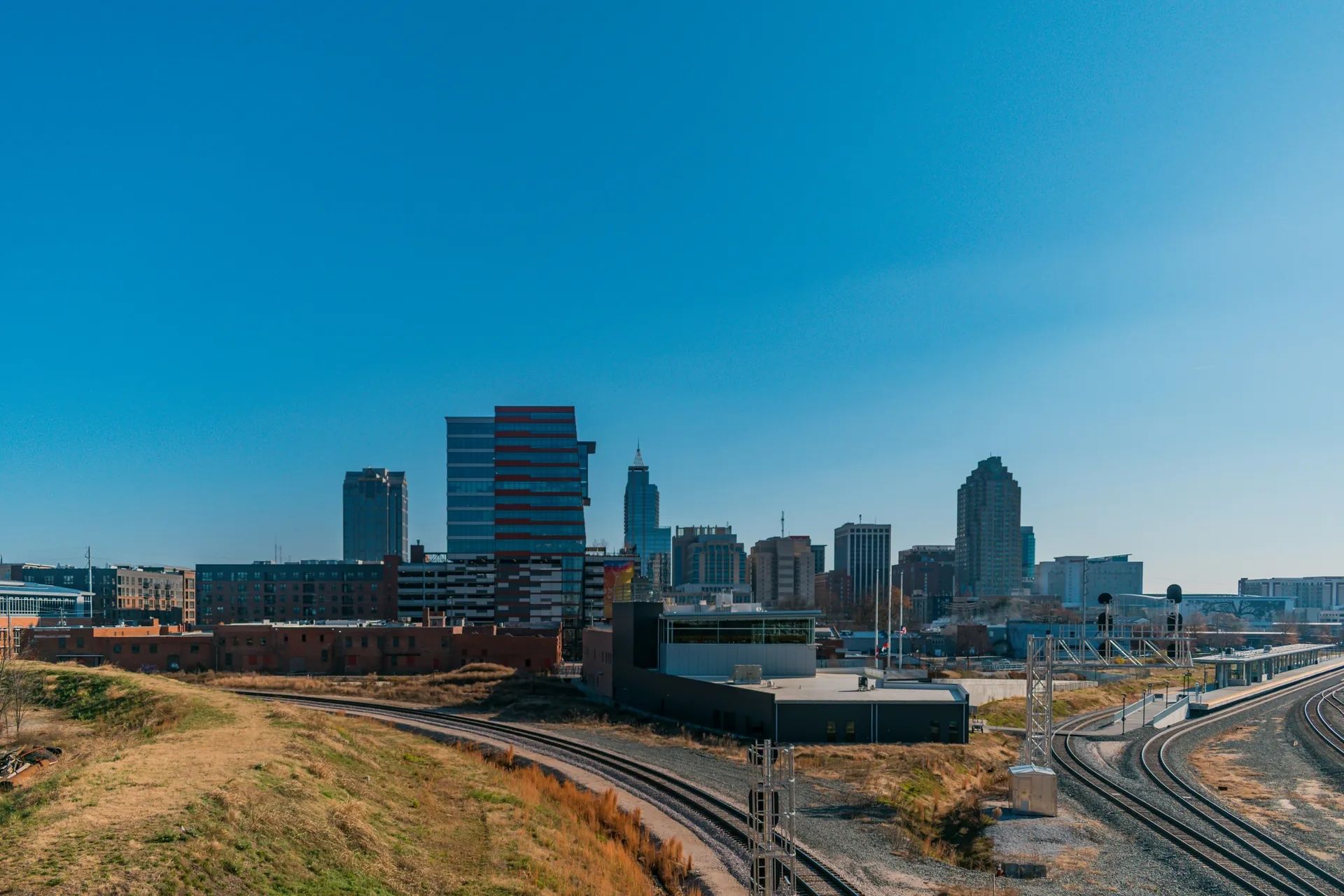
Its proximity to Durham and Chapel Hill expands its appeal, offering access to diverse cultural, educational, and employment opportunities. Downtown Raleigh is a lively hub, blending historic and modern architecture, a thriving cultural scene, and a wide range of dining and entertainment options.
The people of Raleigh are known for their friendliness and inclusivity, creating a warm and welcoming community. As you prepare to relocate, you'll discover that Raleigh, located in Wake County, is not just a place to live—it's a place to thrive.
Understanding Raleigh's Climate and Weather
Mild Winters and Hot Summers
Raleigh, North Carolina, enjoys a temperate climate with distinct seasonal changes. Winters are generally short and mild, with average high temperatures ranging from 47°F to 53°F.
Although nighttime lows can dip just below freezing, it's not uncommon to experience occasional warmer days with temperatures climbing into the 60s. The area receives an average of six inches of snow per year, and while freezing rain or sleet can occur, ice storms are relatively rare.
Summers, on the other hand, are hot and muggy, with daytime highs often reaching the upper 80s to low 90s °F. Nighttime temperatures typically remain warm, hovering in the upper 60s. During peak summer months, temperatures occasionally soar to 100°F, making it essential to stay cool and hydrated.
Weather Considerations for Moving
If you're planning a move to Raleigh, understanding the local weather patterns is essential for a smooth transition. Spring and autumn are marked by moderate temperatures, making them the most comfortable seasons for outdoor activities and settling into your new home. Spring highs range from the mid-60s to mid-80s °F, while fall highs average in the 70s.
Rainfall in Raleigh is fairly evenly distributed throughout the year. However, the rainiest months are typically January and March, whereas April and November tend to be drier. This knowledge can help you plan your move strategically, whether it involves packing waterproof items or scheduling your move during a less rainy period.
By understanding Raleigh's climate, you'll be better prepared to choose the ideal time for your move and pack your belongings accordingly. Whether you're arriving during the hot summer or the mild winter, being aware of local weather conditions will make your transition to Raleigh much smoother and more enjoyable.
Cost of Living and Housing Market
Affordable Cost of Living
Raleigh, North Carolina, offers a relatively affordable cost of living compared to many other major cities in the United States. The overall cost of living in Raleigh is 2% lower than the national average, making it an attractive option for those looking to relocate. Housing costs, in particular, are 4% cheaper than the U.S. average, with the median home price standing at around $446,163.
In addition to housing, other essential expenses such as utilities, food, and transportation are also lower than the national average. Utilities are about 3% less expensive, and food costs are 1% lower compared to the U.S. average.
Transportation costs are 7% lower, which can be a significant savings for commuters.
However, it's important to note that healthcare services in Raleigh are 12% higher than the national average. Despite this, the overall balance of costs makes Raleigh a viable choice for many people looking for a place to live with a manageable cost of living.
Housing Considerations
The housing market in Raleigh is diverse, offering a range of options for both renters and buyers. For renters, the average monthly rent for a one-bedroom apartment is approximately $1,577, while a two-bedroom apartment averages around $1,850.
In more affordable neighborhoods like Knightdale, Garner, and Wake Forest, rents for a two-bedroom apartment can range from $1,400 to $1,800. In contrast, upscale areas such as North Hills and downtown Raleigh can see rents starting at $2,000 for a two-bedroom apartment.
For those considering buying a home, the median home price in Raleigh is $442,333, which is comparable to the U.S. average. The interest rate on a 30-year mortgage is currently around 6.5%, resulting in an average monthly payment of about $2,850. Property taxes in Raleigh are also lower than the national average, at 0.86% compared to 1.1% nationally.
Understanding these housing costs and the broader cost of living can help you make informed decisions about your move to Raleigh and ensure that you find a home that fits your budget and lifestyle.
Employment and Education Opportunities
Thriving Job Market
Raleigh, North Carolina, boasts a robust and diverse job market, making it an excellent choice for professionals and job seekers. The Raleigh-Durham-Cary area has a low unemployment rate of 3.2%, significantly lower than the national average of 4.2%.
The region is known for its strong presence in the tech industry, with significant growth in sectors such as cybersecurity and data analytics. For instance, cybersecurity is expected to see a 28% employment expansion, while data analytics is projected to experience 24% job growth.
Major industries driving employment in the area include Professional & Business Services, Government, Private Education & Health Services, Manufacturing, and Construction. In March 2025, these sectors saw notable increases in employment, with Professional & Business Services adding 2,500 jobs, Government adding 1,800 jobs, and Private Education & Health Services adding 1,700 jobs.
The Research Triangle Park (RTP), located near Raleigh, is a major hub for technology, biotechnology, and healthcare companies, providing a plethora of job opportunities in these fields. The area's strong job market and diverse range of industries make it an ideal location for career growth and development.
Top-Tier Education
Raleigh is renowned for its exceptional education system, offering top-tier educational institutions at all levels. For higher education, North Carolina State University (NC State) is a prominent presence in the city, known for its strong programs in engineering, agriculture, and natural resources.
The university is also a significant driver of innovation and research in the region.
In addition to NC State, the nearby University of North Carolina at Chapel Hill (UNC Chapel Hill) and Duke University in Durham further enhance the educational landscape of the Raleigh-Durham area. These institutions not only provide excellent educational opportunities but also contribute to the region's vibrant academic and research environment.
At the K-12 level, Wake County Public Schools are highly regarded, with many schools receiving top ratings for their academic performance. The school system is known for its strong curriculum, dedicated teachers, and commitment to providing a quality education to all students.
This makes Raleigh an excellent choice for families who value education and are looking for a place to raise their children with access to top-notch schools.
Local Lifestyle and Community Activities


A Vibrant Social Scene
Raleigh's social scene is as vibrant as it is diverse, offering a wide range of activities and venues to suit every taste. The city's nightlife is particularly lively, with numerous bars, pubs, breweries, cocktail lounges, dance clubs, live music venues, and sports bars scattered throughout its entertainment districts.
Downtown Raleigh stands out with its five walkable entertainment districts, each providing a unique nightlife experience. You can enjoy live music at any of the over 80 world-class music venues, or relax on the rooftop of the world's largest beer garden.
For those looking for a more interactive night out, places like Kings Dining & Entertainment, Boxcar Bar + Arcade, and Watts & Ward offer a blend of dining, gaming, and socializing. Legends Nightclub Complex and Zenith Raleigh are popular spots for dancing and enjoying top-notch DJs and drinks.
The city also hosts various nightlife events, such as open bar nights at Loop Bar and Lounge, full moon social circles, and themed nights like "Baddies & Bottles." These events contribute to a dynamic social environment where you can easily meet new people and make friends.
Outdoor and Recreational Activities
Beyond its vibrant nightlife, Raleigh offers a plethora of outdoor and recreational activities that cater to all interests. The city is surrounded by natural beauty, with numerous parks, trails, and green spaces.
The Neuse River Greenway Trail, a 28-mile trail, is perfect for hiking, biking, or simply taking a leisurely walk. William B. Umstead State Park, located just a few miles from downtown, provides ample opportunities for hiking, camping, and picnicking.
Raleigh is also home to several lakes and waterways, such as Falls Lake and Jordan Lake, which are ideal for boating, fishing, and other water sports. For sports enthusiasts, the city has various sports facilities, including the PNC Arena, which hosts hockey games and concerts, and the WakeMed Soccer Park, a venue for soccer matches and other events.
In addition to these outdoor activities, Raleigh has a strong focus on community events and festivals. The city hosts a variety of annual events, such as the Raleigh Jazz and Blues Festival, the World of Bluegrass Festival, and the North Carolina State Fair, which bring the community together and celebrate local culture and talent. These events and activities make Raleigh a great place to live for those who enjoy an active and engaged lifestyle.
Conclusion: Preparing for Your Move to Raleigh
As you prepare to move to Raleigh, remember that this city offers a unique blend of affordability, economic opportunities, and a high quality of life. With its mild climate, thriving job market, and top-tier education system, Raleigh is an ideal destination for professionals, families, and individuals alike. Consider the city's diverse neighborhoods, from vibrant downtown areas to family-friendly suburbs, and plan accordingly for housing and cost of living.
Don’t forget to explore the city’s rich cultural scene, outdoor activities, and community events. By understanding these aspects, you can make a smooth transition and fully enjoy all that Raleigh has to offer.
Take the next step and start planning your move to this vibrant city today!
FAQ
Is moving to Raleigh worth it?
Moving to Raleigh can be worthwhile depending on your priorities. The city offers a lower cost of living compared to the national average, with more affordable housing and utilities. However, it's important to note that healthcare costs are higher.
The median income in Raleigh is also higher than the national average, which could be a significant advantage for many residents.
What is a livable salary in Raleigh, NC?
In Raleigh, NC, a livable salary depends on individual circumstances:
- For a single adult to live comfortably, the average salary needed is about $102,752.
- The living wage, which is the minimum required to support oneself or a family, varies by household size. For example, a single adult would need around $34.84 per hour to support themselves.
What are the pros and cons of Raleigh, NC?
Pros:
- Booming job market, especially in tech and healthcare.
- Numerous job opportunities, including those in Research Triangle Park.
- Excellent education system with quality schools.
- Beautiful Southern charm and family-oriented activities.
- Thriving local food scene.
- Affordable cost of living compared to other major tech cities.
Cons:
- High cost of living, 6% higher than the national average and 11% higher than North Carolina's average.
- Traffic congestion, particularly during rush hour.
- Limited nightlife options compared to larger cities.
- Competitive and rising housing demand.
- Humid climate with hot summers and mild winters.
- High pollen levels in spring, which can cause allergy issues.
Why is Raleigh, NC so popular?
Raleigh, NC, is popular because of its attractive cost of living, robust job opportunities, and a strong job market supported by schools and local corporations. Additionally, the area's growth is driven by net migration, with many former university students choosing to stay in the Triangle area after graduation.